2026-11-11 · Derek Jensen
What to Expect When Basement Water Enters Near Lake Mendota
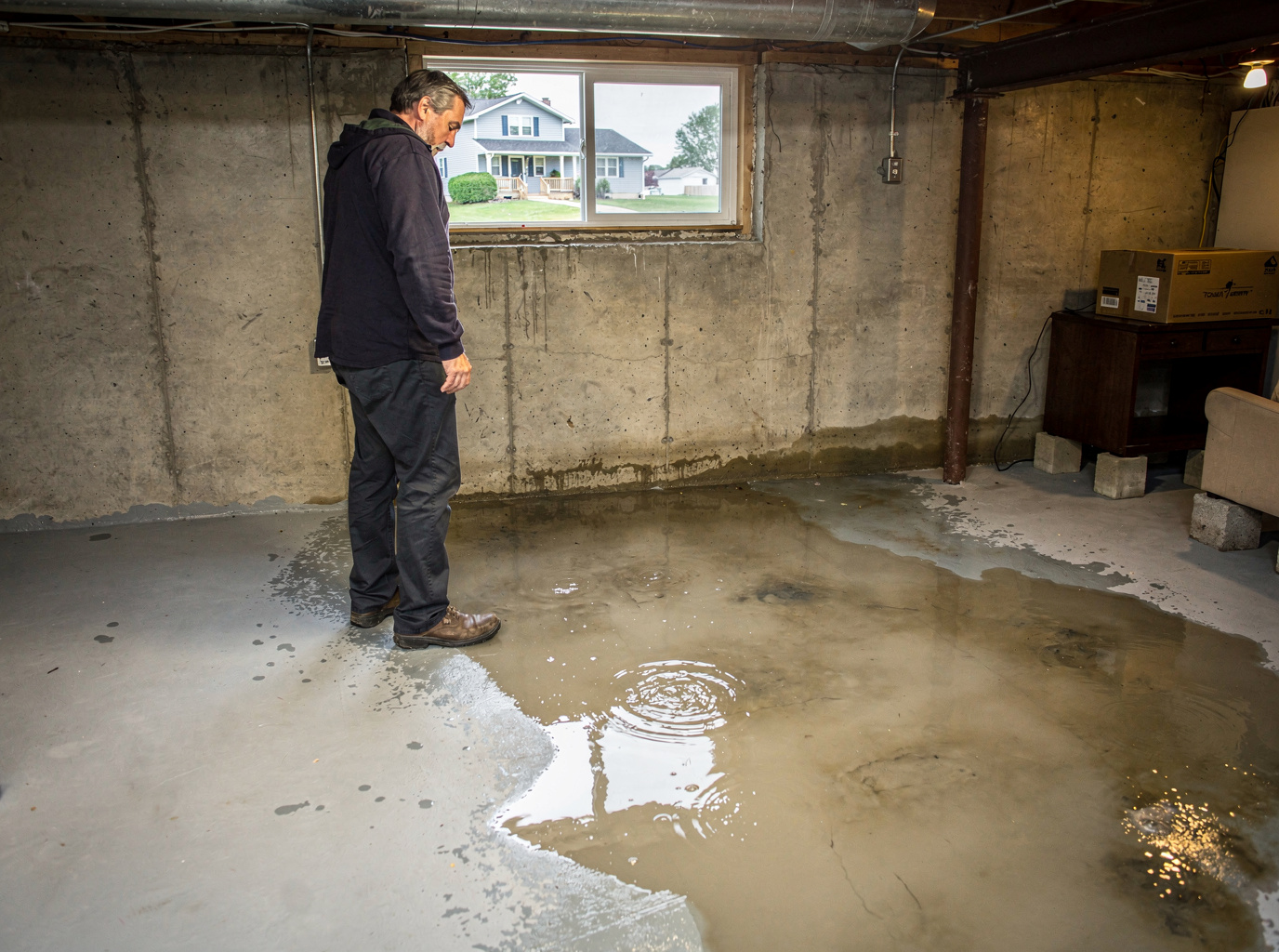
When basement water enters near Lake Mendota, groundwater seepage through foundation walls or floors is the most common entry point, often bringing 1-4 inches of standing water that must be removed within 24-48 hours to limit mold growth in Dane County's high water table zones. Homes in neighborhoods like Shorewood Hills and Maple Bluff sit close to the lake's fluctuating levels, where saturated soils push moisture inward during warm humid summers and after snowmelt. The University of Wisconsin-Madison campus area and nearby Downtown properties face similar issues due to older foundations built on clay-heavy soils that hold water longer than sandy areas farther west.
Local Groundwater Realities Around Lake Mendota
Lake Mendota's proximity raises the water table in adjacent Madison neighborhoods, especially the Isthmus and East Side, where many homes built before 1970 have stone or early concrete foundations that crack over decades. Cold snowy winters followed by rapid spring warming send meltwater downward, while summer storms can add 2-4 inches of rain in a single event and overwhelm drainage. These patterns differ from drier western suburbs like Verona or Middleton, where lower water tables reduce seepage frequency. Owners near Monona Terrace or Olbrich Botanical Gardens often notice musty odors first in lower levels because clay subsoils retain moisture and slow natural drying. Proper assessment includes checking sump pits and grading around the foundation before any equipment arrives.
First 48 Hours: Extraction and Containment
Water removal starts with submersible pumps or truck-mounted extractors to pull standing water, followed by air movers and dehumidifiers running continuously for 3-5 days depending on humidity levels. In Madison's warm humid summers, relative humidity above 70 percent extends drying times compared with drier fall periods. Technicians check for hidden moisture behind drywall and under flooring using moisture meters, because Lake Mendota-area homes frequently have finished basements that trap water against insulation. Properties in Fitchburg or Sun Prairie may require fewer days if they sit on better-drained soils, but Dane County lakefront addresses usually need targeted wall drying to reach under 15 percent moisture content. During this phase, contents are inventoried and moved to prevent secondary damage from mold spores that can appear in 48-72 hours.
Drying, Monitoring, and Repair Steps
After bulk water leaves, industrial dehumidifiers maintain 40-50 percent relative humidity while technicians monitor readings every 24 hours until materials test dry. Flooring such as carpet or laminate often needs removal if saturation exceeds 24 hours, and affected drywall is cut 12-18 inches above the water line. In older East Side or West Side homes, plaster walls require different drying techniques than modern sheetrock. Once dry, repairs focus on sealing cracks with hydraulic cement or exterior waterproofing membranes where grading allows. Linking to related winter issues, many Lake Mendota basements also suffer from Handling Frozen Pipe Bursts During Madison Cold Snaps that compound moisture problems. Final steps include applying antimicrobial treatments only where visible mold exists and restoring finishes to match original construction.
Reducing Future Seepage Risks
Long-term prevention centers on improving exterior drainage with French drains or extending downspouts 6-10 feet from the foundation, especially useful on sloped lots near the Wisconsin State Capitol or Henry Vilas Zoo. Gutters cleaned twice yearly reduce roof runoff that saturates soils around Lake Mendota homes. Interior sump pumps with battery backups handle peak events during heavy rains. Owners in Maple Bluff or Monona often combine these measures with Preventing Ice Dam Leaks in Madison Attics strategies because winter ice dams can send additional water into basements. Regular inspections every 2-3 years catch small cracks before they allow larger inflows. Madison Water Damage Restoration at 913 College Ct, Madison, WI 53715 operates Mon–Fri 8am–6pm and Sat 9am–2pm for assessments when seepage first appears.